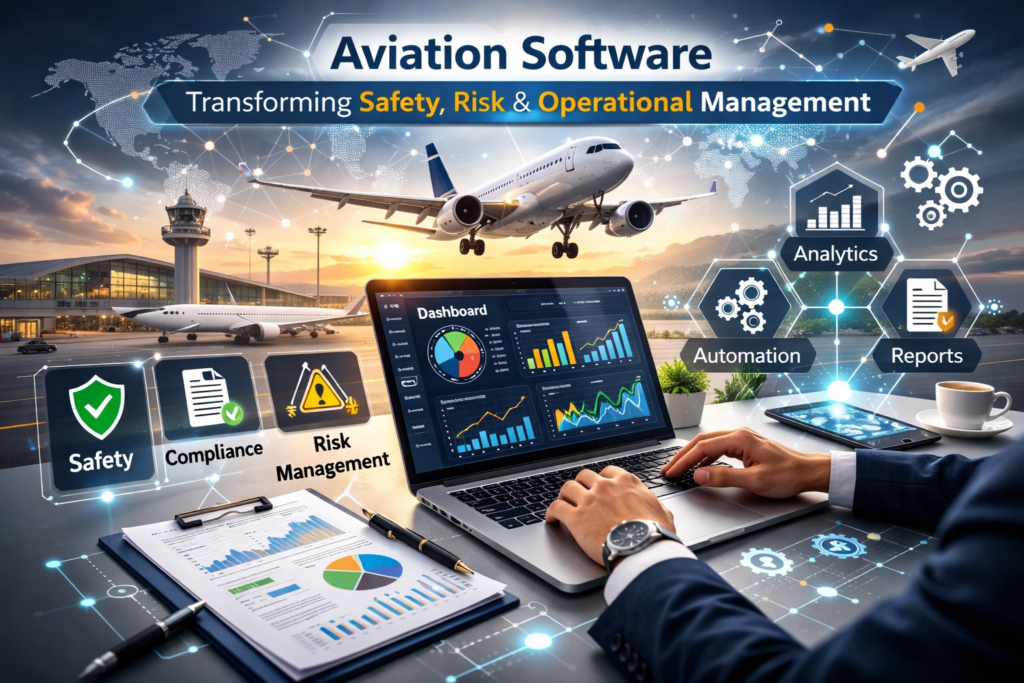
The aviation sector is rapidly embracing digital transformation. With increasing operational complexity and strict regulatory requirements, aviation companies are turning to advanced software solutions to manage safety, risk, and operational processes more effectively.
Modern aviation software platforms are helping organizations improve efficiency while maintaining the highest standards of safety and compliance.
The Growing Need for Aviation Technology
Airlines, airports, and aviation service providers deal with massive volumes of operational data every day. Managing this information manually can lead to inefficiencies, delays, and increased risk.
Advanced aviation software provides a centralized platform where organizations can manage critical functions such as safety reporting, compliance monitoring, and operational workflows.
Companies like QMSmart Technologies are developing specialized aviation software solutions designed to meet the needs of airlines, MROs, training organizations, and airport operators.
Key Features of Modern Aviation Software
1. Incident Reporting & Investigation
Digital reporting tools allow employees to quickly report safety incidents or operational hazards. These reports can be analyzed to identify root causes and implement corrective actions.
2. Risk Management
Risk management modules help organizations evaluate operational risks and implement mitigation strategies before incidents occur.
3. Audit Management
Audit management systems simplify the process of planning audits, creating checklists, and generating audit reports.
4. Document Management
Aviation companies deal with extensive documentation such as manuals, procedures, and compliance records. Digital document management systems ensure secure storage and easy access to these documents.
5. Real-Time Dashboards
Real-time analytics dashboards provide leadership teams with insights into safety performance, compliance status, and operational efficiency.
Digital Transformation in Aviation Operations
Digital aviation platforms integrate multiple systems into one centralized solution, enabling organizations to manage:
-
Safety programs
-
Compliance management
-
Quality assurance
-
Operational processes
-
Risk assessment
This integration reduces duplication of work and ensures consistency across departments.
Benefits for Aviation Organizations
Implementing aviation software provides several measurable benefits:
-
Faster decision-making with real-time data
-
Improved safety performance
-
Reduced administrative workload
-
Better regulatory compliance
-
Increased operational transparency
Organizations that adopt digital aviation platforms can respond faster to operational challenges and maintain a strong safety culture.
The Future of Aviation Management Systems
The future of aviation software will be driven by technologies such as:
-
Artificial Intelligence
-
Predictive analytics
-
Mobile reporting systems
-
Integrated cloud platforms
These technologies will enable aviation organizations to predict risks, automate processes, and improve operational decision-making.
Conclusion
Digital transformation is reshaping how aviation organizations manage safety, risk, and compliance. Advanced aviation software platforms are helping companies operate more efficiently while maintaining strict regulatory standards.
Organizations that embrace these technologies today will be better positioned to lead the aviation industry in the future.